









After age 50, women's nutritional requirements change due to physiological shifts. This group commonly encounters bone density reduction, hormonal variation associated with menopause, and thyroid function changes. A targeted multivitamin can address these domains. This article reviews the nutrients that support bone integrity, mitigate menopause-related symptoms, and assist thyroid function, and explains how multivitamin formulations may meet those needs.
What Are the Key Nutrients for Bone Health in Women Over 50?
Preserving bone health is a primary concern for women over 50 due to increased risk of osteoporosis and fractures. Calcium, vitamin D, and magnesium are principal nutrients for bone density. These nutrients act in concert: calcium provides structural material, vitamin D facilitates calcium absorption, and magnesium supports bone mineralisation.
How Do Calcium, Vitamin D, and Magnesium Support Bone Density and Strength?
Calcium constitutes the main mineral component of bone and is necessary for maintaining bone mass, particularly as estrogen declines during menopause. Vitamin D enhances intestinal calcium absorption to ensure effective utilisation. Magnesium influences calcium metabolism and contributes to bone structure. Collectively, these nutrients reduce the risk of bone loss when present at adequate levels.
Clinical research supports the role of calcium and vitamin D supplementation in preserving bone mineral density among postmenopausal women.
Calcium & Vitamin D for Bone Density in Postmenopausal Women
Vitamin D deficiency is prevalent among older adults and is associated with reduced bone mineral density (BMD). The working hypothesis examined whether supplementation with vitamin D and calcium could prevent bone loss in ambulatory postmenopausal women. Daily supplementation with vitamin D and calcium produced measurable positive effects on skeletal health in ambulatory postmenopausal women who had adequate dietary calcium intake.
Effect of calcium and vitamin D supplementation on bone mineral density in women aged 65–71 years: a 3-year randomized population-based trial (OSTPRE-FPS), 2010
What Are the Recommended Daily Intakes for Bone Health Nutrients?
|
Nutrient |
Recommended Daily Intake |
|
Calcium |
1,200 mg |
|
Vitamin D |
800-1,000 IU |
|
Magnesium |
320 mg |
These reference values provide a practical basis for evaluating multivitamin formulations intended to support bone health in women over 50.
Which Vitamins and Supplements Effectively Support Menopause Symptoms?
Menopause commonly produces vasomotor symptoms, mood changes, and sleep disturbance. Specific vitamins and supplements have documented effects that may reduce the frequency or severity of these symptoms and improve symptom management.
What Role Do Phytoestrogens and Black Cohosh Play in Menopause Relief?
Phytoestrogens, present in soy and other foods, exhibit weak estrogenic activity that can help modulate hormonal effects. Black cohosh has been evaluated for reduction of hot flashes and mood symptoms. Clinical evidence indicates these agents can provide symptomatic relief for a subset of women undergoing menopause.
How Can Multivitamins Address Hormonal Imbalances During Menopause?
Multivitamins formulated for women over 50 frequently include B vitamins, vitamin E, and omega-3 fatty acids to support hormonal regulation. B vitamins contribute to cellular energy metabolism and neurotransmitter synthesis; vitamin E has been associated with reductions in hot flashes in some studies; omega-3 fatty acids support mood stability. Inclusion of these nutrients can form part of an integrated approach to managing menopausal hormonal changes.
A comprehensive nutritional strategy, incorporating targeted supplements, can assist physiological hormone regulation during the menopausal transition.
Nutritional Supplements for Menopausal Hormone Balance
Menopause constitutes a major physiological transition that affects multiple body systems and is frequently accompanied by hot flashes, fatigue, anxiety, cognitive symptoms, and mood variability. These manifestations result from alterations in estrogen, progesterone, and testosterone levels. While hormone replacement therapy (HRT) is one therapeutic option, many individuals seek non-hormonal strategies. Nutritional supplements, selected adaptogens, and targeted micronutrients may support more gradual hormonal regulation by complementing physiological processes rather than replacing them.
Supplements That Support Hormonal Balance During Menopause
How Do Thyroid Support Supplements Benefit Women Over 50?
Thyroid function affects energy homeostasis and metabolic rate, which are important considerations for women over 50. Appropriately formulated thyroid support supplements can supply nutrients that contribute to the maintenance of normal thyroid activity.
Why Are Iodine and Selenium Essential for Thyroid Hormone Production?
Iodine is an elemental component of thyroid hormones; insufficient iodine can result in hypothyroidism. Selenium is required for the enzymatic conversion of thyroxine (T4) to the more active triiodothyronine (T3). Adequate intake of both micronutrients supports thyroid hormone synthesis and metabolism.
Scientific literature documents the essential functions of iodine and selenium in thyroid hormone production and overall thyroid health.
Iodine & Selenium for Thyroid Hormone Function
Iodine and selenium are key micronutrients for thyroid hormone synthesis and function. Iodine is an essential component of thyroid hormones; its deficiency remains a leading preventable cause of cognitive impairment globally. Approximately 800 million people are affected by iodine deficiency disorders, which include goitre, hypothyroidism, and a range of developmental impairments. Public health measures such as iodised salt and iodised vegetable oil have produced substantial improvements, although iodine deficiency persists in some regions.
Role of iodine, selenium and other micronutrients in thyroid function and disorders, V Triggiani, 2009
What Are the Signs of Thyroid Nutrient Deficiencies in Senior Women?
Common clinical indicators of inadequate thyroid-related nutrients include persistent fatigue, unexplained weight gain, hair thinning, and mood alterations. Women over 50 should monitor these signs and pursue clinical evaluation and appropriate supplementation when indicated.
What Vitamins Promote Hormonal Balance and Energy in Older Women?
Beyond bone and thyroid considerations, maintaining hormonal equilibrium and adequate energy levels is essential for functional capacity in older women. Specific vitamins and supplements can support metabolic and endocrine processes relevant to these objectives.
How Do B Vitamins and Adaptogens Enhance Energy and Hormone Regulation?
B vitamins, notably B6, B12, and folate, are integral to energy metabolism and neurotransmitter synthesis. They assist in converting macronutrients into usable energy and support mood-regulating pathways. Adaptogens such as ashwagandha and rhodiola have been studied for their role in stress response modulation and may contribute to hormonal stability as part of a broader regimen.
Which Supplements Support Weight Management and Metabolic Health After 50?
Age-related metabolic decline and hormonal shifts can complicate weight management. Supplements such as green tea extract and conjugated linoleic acid (CLA) have been investigated for effects on fat oxidation and body composition. These agents may support metabolic interventions when combined with diet and exercise.
How Do Fixxr Formulas Essentials Multivitamins Address the Needs of Women Over 50?
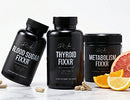
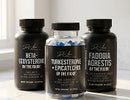
Fixxr Formulas Essentials Multivitamins are formulated to align with the nutrient profiles commonly recommended for women over 50. The product combines specific vitamins and minerals intended to address bone, thyroid, and hormonal support requirements.
What Ingredients in Fixxr Formulas Support Bone, Thyroid, and Hormone Health?
The formulation includes calcium, vitamin D, iodine, and B vitamins. Calcium and vitamin D are included to support bone strength; iodine is provided to support thyroid function; B vitamins are included to support energy metabolism and aspects of hormonal regulation. These components are integrated to address multiple, age-related nutritional needs.
Where Can Women Find Personalized Supplement Guidance from Fixxr Formulas?
Individuals seeking personalised supplement guidance may consult the resources available on the Fixxr Formulas website. The site provides informational material and tools to assist in selecting supplements aligned with individual health objectives.
What Are Common Questions About Multivitamins for Women Over 50?
Prospective users frequently raise questions about multivitamin efficacy, safety, appropriate selection criteria, and how supplements integrate with medical care.
What Vitamins Help Alleviate Menopause Symptoms?
Vitamins commonly identified for menopause symptom support include vitamin B6, vitamin E, and vitamin D. Vitamin B6 has functions related to mood regulation; vitamin E has been associated with reductions in hot flashes for some individuals; and vitamin D supports broader health parameters during the menopausal transition.
Can Multivitamins Improve Energy Levels in Older Women?
Multivitamins that supply deficient or marginal micronutrients may improve perceived energy by supporting metabolic pathways and hormonal balance. Some users report enhanced energy and concentration after consistent use, though individual responses vary.
To review available formulations, visit the Essentials Collection for a curated selection.
For questions or to request personalised assistance, consult our contact resources.
Frequently Asked Questions
What are the benefits of taking multivitamins specifically formulated for women over 50?
Multivitamins formulated for women over 50 deliver targeted nutrient combinations to address age-related needs. They commonly include components that support bone density, hormonal regulation, and thyroid function. Such formulations can assist in reducing nutrient shortfalls related to dietary limitations or metabolic changes and may contribute to improved symptom management during ageing.
How can I determine if I need a multivitamin?
Assess dietary intake, lifestyle factors, and any clinical symptoms that suggest nutrient insufficiency. Dietary restrictions, reduced appetite, or medical conditions may increase the likelihood of deficiency. Consultation with a healthcare provider and, where appropriate, laboratory testing can inform the decision to use a multivitamin and guide product selection.
Are there any side effects associated with multivitamins for women over 50?
Multivitamins are generally well tolerated when used as directed. Adverse effects may occur, especially with excessive intake, and can include gastrointestinal discomfort, nausea, or headaches. Individuals with pre-existing medical conditions or those taking prescription medications should consult a healthcare professional prior to initiating supplementation to reduce risk of interactions or contraindications.
How long does it take to see results from taking multivitamins?
Onset of observable benefits varies by individual and by outcome measured. Improvements in energy or mood may be reported within weeks, whereas effects on bone density or hormonal balance typically require several months and objective clinical assessment. Consistent use alongside appropriate diet and lifestyle measures is recommended.
Can I get all the necessary nutrients from food instead of multivitamins?
A balanced diet can provide necessary nutrients; however, some individuals over 50 may have difficulty meeting requirements through diet alone due to restrictions, reduced intake, or altered absorption. In such cases, multivitamins can serve as a supplemental measure to address dietary gaps.
What should I look for when choosing a multivitamin for women over 50?
Select products formulated for the age group that contain key nutrients such as calcium, vitamin D, B vitamins, iodine, and omega-3 fatty acids where indicated. Evaluate ingredient quality, third-party testing, and alignment with any specific health concerns. Seek professional guidance when tailoring choices to clinical needs.
Conclusion
Selecting an appropriate multivitamin can support bone health, hormonal balance, and thyroid function in women over 50 by supplying targeted nutrients. These formulations may aid energy levels and assist in managing menopause symptoms when used consistently as part of a comprehensive health plan. To review options designed for this demographic, consult the curated multivitamin selection and consider professional advice to align supplementation with individual health requirements. Obtain appropriate nutrients and adopt recommended lifestyle measures to support long-term health.