 FLASH SALE 🔥



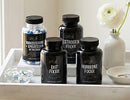






Berberine is best taken with a meal or shortly before one. It's meant to help with the rise in blood sugar that comes after you eat, and the best-known trial gave it three times a day at the start of each main meal. The label on my Blood Sugar Fixxr bottle says two capsules once a day, 20 to 30 minutes before a meal.
That's the timing. The parts people usually skip are what not to combine it with, who shouldn't take it, and how long to wait before you judge whether it's helping.
Why Timing Matters More for Berberine Than for Most Supplements
Most supplements don't care what time you take them. A vitamin you take to keep your levels topped up works the same at 8 a.m. or 8 p.m. Berberine is different, because the thing you want it to help with, the rise in blood sugar after a meal, happens at a particular time.
That's why the research gives it with food. In a 2008 trial published in Metabolism, adults with type 2 diabetes took 500 mg of berberine three times a day, at the beginning of each major meal, for 13 weeks. That trial didn't test a once-a-day routine like the one on my label, but its design is the reason "with meals" became the default answer to this question. So rather than picking a time on the clock, pick a meal.
Everyone in that trial already had type 2 diabetes. Blood Sugar Fixxr is a dietary supplement, not a treatment for diabetes, and it doesn't replace anything your prescriber has you on.
With Food, and a Little Before It
Taking berberine on an empty stomach in the middle of the afternoon misses the point, because there's no meal for it to work alongside. Pair it with a meal and you've got the timing right.
Morning or Night
Pick the meal you eat most reliably. For a lot of women that's dinner, because breakfast gets skipped on busy days and a supplement tied to a skipped meal gets skipped with it. If your biggest meal of the day is lunch, that's a perfectly sensible anchor too.
What I wouldn't do is take it at bedtime on an empty stomach just because that's when you happen to remember your supplements.
What the Label on My Formula Says, and Why

The Blood Sugar Fixxr label, with the directions printed beside the Supplement Facts panel.
My bottle reads "Take 2 capsules once a day. For best results take 20-30 minutes before a meal or as directed by your healthcare professional." The Supplement Facts panel lists 1,200 mg of berberine HCl per serving, which works out to 600 mg in each capsule of Blood Sugar Fixxr.
That's what the label says, not a dose I'm prescribing for you. If your clinician has given you different instructions, follow theirs.
Is There a Downside to Taking Berberine?
Yes. The most common downside is the gut. In that 2008 trial, about a third of the patients taking berberine (34.5%) had gastrointestinal side effects, mostly in the first four weeks, and the label itself rules out anyone under 18 and anyone pregnant or nursing. It also isn't something to add on top of blood sugar medication without your prescriber knowing.
That pregnancy warning is there for a reason. The National Center for Complementary and Integrative Health notes that berberine, one of the compounds in goldenseal, can be harmful to newborns.
If your stomach complains and it doesn't settle, stop and talk to your clinician rather than pushing through.
Keep Medication Decisions With Your Prescriber
Don't add berberine to blood sugar medication, or to any other prescription you take daily, without telling the person who prescribed it. Your prescriber can only manage your medication safely if they know everything you're taking.
Goldenseal, an herb that contains berberine, shows why this matters. NCCIH notes that goldenseal may change the way your body processes many medications, and in one NCCIH-funded study healthy adults given goldenseal extract alongside a common diabetes medicine had about 25 percent lower levels of that medicine. That finding is about goldenseal, not a berberine capsule, but it's the reason I tell people to bring the bottle to their next appointment rather than decide this alone.
How Long Before You Can Tell if It's Working
Give it weeks, not days. The 2008 study ran for 13 weeks, and the bigger picture comes from a 2023 analysis that pooled 20 randomized trials and 1,761 people. I walk through those results, numbers included, in what the research shows on berberine.
Whether it's working for you is something your clinician and your labs can answer. A week of guessing can't.

Blood Sugar Fixxr, 60 capsules, a 30-day supply at the label's two a day.
Berberine also does its best work on top of the basics, not instead of them. If you haven't sorted the day-to-day blood sugar basics yet, start there. And if your thyroid is part of the picture, which it is for most of the women I hear from, the thyroid and blood sugar duo pairs the two formulas I'd use together.
Why Doctors Can Be Wary of Berberine
Most doctors who are cautious about berberine are cautious for fair reasons. Supplements vary in quality, they're responsible for the medication you already take, and berberine's evidence base is much smaller than a prescription drug's.
I don't think any of that is a reason to dismiss it. I think it's a reason to choose a product with the amount printed on the label and to tell your doctor you're taking it. If you want the formula I built for this, start with Blood Sugar Fixxr and give it a fair run of about three months, the length of that 2008 trial, alongside the food and movement work.
FAQ
Can I take berberine just once a day?
Yes, and my own label is written that way. Blood Sugar Fixxr's directions are two capsules once a day, 20 to 30 minutes before a meal. Each capsule holds 600 mg of berberine HCl, so those two cover the whole day's serving. A once-a-day routine anchored to your most reliable meal is easier to keep than one you have to remember twice.
Is berberine safe for everyone?
No. My label rules out anyone under 18 and anyone who's pregnant or nursing, and NCCIH notes that berberine can be harmful to newborns. If you take blood sugar medication or any daily prescription, talk to your prescriber first.
What should you not mix berberine with?
Keep it away from blood sugar medication and other daily prescriptions unless your prescriber knows you're taking it. NCCIH notes that goldenseal, an herb that contains berberine, may change the way your body processes many medications. Bring the bottle to your appointment and decide together.
Why don't doctors like berberine?
Many are cautious rather than opposed. Supplement quality varies, they're responsible for the medication you already take, and the research behind it is smaller than the research behind a drug. A product with the dose on the label and an honest conversation with your doctor answers most of those concerns.
These statements have not been evaluated by the Food and Drug Administration. This product is not intended to diagnose, treat, cure, or prevent any disease.