











By Amie Hornaman, Dr. Amie Inc.
Selecting an appropriate multivitamin is a critical component of women's health management, particularly for individuals experiencing age-related shifts in nutrient requirements. A correctly formulated product supplies vitamins and minerals that support physiological functions such as hormonal regulation and thyroid performance. This document identifies key ingredients recommended for inclusion in multivitamins for women and summarises their established roles. Nutrient insufficiencies can contribute to fatigue, altered hormone profiles, and other clinical concerns. Understanding which micronutrients are essential enables informed decisions regarding supplementation. The topics addressed include vitamins relevant to women over 40, nutrients implicated in hormonal balance, and criteria for ingredient selection.
Which Vitamins Are Essential for Women Over 40?
Nutritional requirements change with age and should inform multivitamin selection. For women over 40, nutrients of particular relevance include vitamin D, calcium, and magnesium due to their established roles in skeletal maintenance and endocrine function. Vitamin D facilitates intestinal calcium absorption, and magnesium participates in numerous enzymatic processes, including those involved in hormone synthesis and regulation.
Peer-reviewed investigations examining the association between vitamin D status and thyroid function in older female cohorts contribute evidence relevant to these age-specific nutrient considerations.
Vitamin D, Thyroid Function, and Postmenopausal Women's Health
Purpose: Reports describe vitamin D insufficiency in immune-mediated hypothyroidism, but a consistent association between vitamin D status and thyroid-stimulating hormone (TSH) levels has not been established. This study evaluated vitamin D and TSH concentrations among postmenopausal women, a population with increased prevalence of both conditions.
Association of vitamin D deficiency and thyroid function in postmenopausal women, M Niafar, 2016
What Role Does Vitamin D Play in Women's Thyroid Health?
Vitamin D contributes to immune regulation and is associated with thyroid hormone production and function. Observational and interventional studies report links between inadequate vitamin D status and hypothyroid conditions. Maintaining sufficient vitamin D levels is a recognised component of strategies to support thyroid health and metabolic regulation.
Additional literature examines the multifaceted relationship between vitamin D concentrations and thyroid disorders, with emphasis on potential autoimmune mechanisms.
Vitamin D Deficiency and Thyroid Disease Link
Vitamin D deficiency is a global public health concern; its role as an immune modulator has been increasingly emphasised. Evidence suggests vitamin D may influence the incidence of autoimmune conditions, although the research on its specific effects in autoimmune and thyroid disease remains inconclusive at present.
Vitamin D deficiency and its association with thyroid disease, AMH Mackawy, 2013
How Does Vitamin B12 Support Energy and Hormonal Balance?
Vitamin B12 is required for cellular energy metabolism and erythropoiesis. It also supports nervous system function, which can indirectly affect hormonal regulation and fatigue levels. Clinical deficiency of vitamin B12 manifests as weakness, fatigue, and neuropsychiatric symptoms; therefore, adequate intake is recommended, particularly for women at increased risk of insufficiency.
How Do Key Nutrients Support Hormonal Balance in Women?
Specific micronutrients, including B-complex vitamins, magnesium, and omega-3 fatty acids, contribute to endocrine homeostasis. These nutrients participate in pathways that modulate cortisol, influence neurotransmitter synthesis, and support physiological mechanisms underlying mood and energy regulation.
What Are the Benefits of Folate for Women's Hormone Regulation?
Folate (vitamin B9) is essential for nucleotide synthesis and cellular repair processes and has documented effects on reproductive physiology. Adequate folate intake supports metabolic pathways relevant to ovulation and hormonal function. Dietary sources include leafy vegetables, legumes, and fortified products; supplementation may be necessary to achieve recommended intake levels.
Additional research investigates the association between dietary folate and reproductive hormone profiles in women of reproductive age.
Folate's Role in Women's Reproductive Hormones & Health
Folic acid is recommended for women of reproductive age to reduce the risk of neural tube defects; evidence regarding dietary folate effects on other reproductive outcomes is limited. Some studies report improved pregnancy rates following folic acid supplementation, suggesting a potential association with ovulatory function. This study evaluated dietary folate intake, hormone concentrations, and sporadic anovulation in healthy, regularly menstruating women.
The impact of dietary folate intake on reproductive function in premenopausal women: a prospective cohort study, AJ Gaskins, 2012
How Does Iron Contribute to Weight Management and Energy?
Iron is required for oxygen transport and cellular respiration, processes fundamental to energy production. Adequate iron status reduces the risk of fatigue and supports metabolic efficiency. Women with increased iron losses, such as those with heavy menstrual bleeding, may require additional iron to maintain physiological function.
What Criteria Define the Best Multivitamin Ingredients for Women?
Ingredient quality and bioavailability are primary criteria when evaluating multivitamins. Optimal formulations provide a balanced spectrum of vitamins and minerals aligned with female physiological requirements. Consumers should consider products that specify ingredient forms and dosages appropriate for women's health.
-
Essential Vitamins : Such as A, C, D, E, and K.
-
Minerals : Including calcium, magnesium, and iron.
-
B Vitamins : For energy production and hormonal balance.
How Should Multivitamins Address Common Nutrient Deficiencies?
Prevalent deficiencies among women include insufficient levels of vitamin D, vitamin B12, and iron. A properly formulated multivitamin can provide measured amounts of these nutrients to reduce the risk of deficiency. Individualised supplementation based on clinical assessment is recommended to maintain nutrient adequacy and prevent adverse health outcomes.
What Scientific Evidence Supports Ingredient Selection in Women's Supplements?
Contemporary studies report that targeted supplementation with specific vitamins and minerals influences health outcomes relevant to women. For example, vitamin D supplementation has been associated with improvements in selected thyroid measures, and B vitamins are required for metabolic pathways linked to energy production. These findings support the selection of ingredients with scientific backing.
How Does Fixxr Formulas Address Women's Thyroid and Hormone Health Needs?
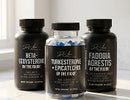
Fixxr Formulas markets a series of dietary supplements formulated to address thyroid and hormonal health in women. The product compositions include vitamins and minerals identified as relevant to these physiological domains.
Which Ingredients in Fixxr Formulas Target Thyroid Function?
Fixxr Formulas lists iodine and selenium among its ingredients; both nutrients have established roles in thyroid physiology. Iodine is required for thyroid hormone synthesis, and selenium contributes to enzymatic conversion of thyroxine (T4) to the more active triiodothyronine (T3). When combined appropriately, these nutrients support thyroid metabolic processes.
How Does Fixxr Formulas Support Hormonal Balance Through Nutrient Composition?
The nutrient profile provided by Fixxr Formulas includes B vitamins, magnesium, and omega-3 fatty acids intended to support mood regulation, energy metabolism, and broader aspects of hormonal balance. The formulation is presented as comprehensive support for women seeking multi-faceted nutrient coverage.
What Safety and Quality Standards Should Women Consider in Multivitamins?
Safety and manufacturing quality are essential selection criteria for multivitamins. Consumers should prioritise products that comply with regulatory standards and that undergo independent third-party testing to verify purity, identity, and potency.
How Are Supplement Ingredients Verified for Purity and Efficacy?
Verification processes typically include laboratory testing for contaminants, quantitative assays to confirm label claims, and stability assessments. Third-party certifications from recognised organisations provide additional validation of manufacturing practices and product composition.
What Are Recommended Daily Allowances for Key Nutrients in Women's Supplements?
Awareness of recommended daily allowances (RDAs) assists in choosing appropriate supplements. For instance, women aged 19–50 are advised to obtain 400 micrograms of folate daily, and adults over 50 should target a vitamin B12 intake of 2.4 micrograms per day, consistent with established guidance.
What Common Questions Do Women Have About Multivitamin Ingredients?
Common concerns relate to the efficacy, safety, and appropriateness of multivitamin ingredients for individual health needs. Providing clear, evidence-based information supports informed decision-making regarding supplementation.
Which Vitamins Improve Thyroid Health in Women?
Vitamins such as vitamin D and vitamin B12 have been associated with aspects of thyroid and metabolic health. Vitamin D contributes to immune and endocrine function, while vitamin B12 is integral to energy metabolism and neurological health.
Can Multivitamins Help Alleviate Hormonal Imbalance Symptoms?
Multivitamins that supply essential micronutrients can support physiological pathways involved in hormonal regulation. When used as part of a comprehensive health plan, such formulations may contribute to improvements in mood, energy, and general function.
To explore a range of essential vitamins and minerals, consider visiting Better Life Doctor.
For additional information regarding women's health and wellness resources, consult the Better Life Doctor website.
Frequently Asked Questions
What are the signs of vitamin deficiencies in women over 40?
Women over 40 may present with symptoms indicative of micronutrient deficiencies, including persistent fatigue, mood alterations, hair thinning, and impaired immune response. Deficiencies commonly observed in this demographic include low vitamin D, low vitamin B12, and iron deficiency, which can manifest as bone pain, anaemia, and disrupted hormonal function. Clinical evaluation and laboratory testing enable identification and appropriate management through diet modification or supplementation.
How can I choose the right multivitamin for my specific health needs?
Selecting an appropriate multivitamin requires assessment of individual health status, dietary patterns, and specific clinical concerns. Choose formulations that address identified nutrient gaps—such as vitamin D, vitamin B12, calcium, and magnesium—and consider age, activity level, and health objectives. Consultation with a healthcare professional is recommended to align supplement selection with clinical requirements.
Are there any side effects associated with taking multivitamins?
Multivitamins are generally well tolerated; however, adverse effects such as gastrointestinal discomfort or allergic reactions to excipients may occur in some individuals. Excessive intake of fat-soluble vitamins (A, D, E, K) can result in toxicity. Adhere to labelled dosages and consult a healthcare provider if there are pre-existing conditions or concurrent medications. Monitoring clinical response and laboratory parameters is advised where appropriate.
How do I know if my multivitamin is high quality?
Quality assessment should include verification of third-party testing, review of certifications from established organisations (for example, NSF or USP), and examination of ingredient forms for bioavailability. Avoid products with unnecessary fillers or unspecified proprietary blends. Evaluate manufacturer transparency and regulatory compliance as part of the selection process.
Can I get all necessary nutrients from food instead of supplements?
A balanced diet rich in fruits, vegetables, whole grains, and lean proteins can provide many essential nutrients; nevertheless, some individuals may not achieve recommended intakes due to dietary restrictions, absorption issues, or increased physiological requirements with age. In such cases, a clinically appropriate multivitamin can serve to address documented gaps and support nutrient sufficiency.
What role do omega-3 fatty acids play in women's health?
Omega-3 fatty acids contribute to cardiovascular and cognitive health, possess anti-inflammatory properties, and support aspects of hormonal regulation. They may also benefit mood and joint function. Dietary sources include fatty fish, flaxseed, and walnuts. Supplementation should be considered when dietary intake is inadequate.
Conclusion
Appropriate multivitamin selection can support women's health by addressing specific nutrient requirements and reducing the risk of deficiency. Key components such as vitamin D, vitamin B12, and folate have defined roles in energy metabolism, hormonal regulation, and reproductive health. Informed selection based on evidence and individual needs enables effective supplementation. Explore available multivitamin options tailored to women's health to identify products that meet quality and composition criteria. If further assistance is required, please contact us via Better Life Doctor.