





Selecting an appropriate multivitamin that contains iron can materially affect women's health. Iron is required for energy production and the regulation of certain hormones. This article examines the role of iron-containing multivitamins for women, summarises their benefits, describes how to recognise iron deficiency, identifies supporting nutrients, and provides criteria for product selection. Iron deficiency is common among women and may contribute to fatigue and other adverse health outcomes. A clear understanding of iron supplementation supports informed decision-making regarding personal care.
What Are the Key Benefits of Multivitamins With Iron for Women?
Multivitamins that include iron provide measurable benefits relevant to women's physiological needs. These formulations support energy maintenance, reduce the risk of iron-deficiency anaemia, and contribute to hormonal regulation. Iron is necessary for haemoglobin synthesis and oxygen transport; insufficient iron impairs these functions. Adequate iron intake therefore supports physical performance and reduces the likelihood of anaemia, particularly in menstruating or pregnant women.
How to Identify Iron Deficiency and Its Impact on Women's Health?
Early recognition of iron deficiency is necessary to maintain health. Common indicators include persistent fatigue, pallor, and exertional dyspnoea. These manifestations reflect inadequate iron for effective haemoglobin production. Prolonged deficiency may progress to anaemia and produce substantial functional impairment. Women face increased risk due to menstrual blood loss and elevated requirements during pregnancy. Timely identification enables appropriate clinical assessment and intervention.
What Are Common Symptoms of Iron Deficiency and Anemia?
Common symptoms of iron deficiency and anaemia include:
-
Fatigue: A significant drop in energy levels, making daily activities challenging.
-
Pale Skin: A noticeable change in skin color due to reduced hemoglobin levels.
-
Shortness of Breath: Difficulty breathing during physical activities, indicating low oxygen levels.
Recognizing these signs at an early stage permits prompt clinical evaluation and treatment, which improves outcomes.
How Does Iron Deficiency Affect Energy Levels and Hormone Function?
Iron deficiency reduces haemoglobin production and therefore decreases oxygen delivery to tissues, which lowers energy and physical capacity. Iron is also involved in pathways affecting hormone synthesis and menstrual regulation. Disruption of these processes can result in symptomatic changes such as altered mood and irregular menstrual cycles. Correcting iron deficiency is necessary to restore normal energy metabolism and endocrine function.
Further studies indicate that iron deficiency affects energy status, reproductive function, and bone density in active women.
Iron Deficiency Impacts Women's Energy, Reproduction, and Bone Health
Although iron deficiency is prevalent among exercising women, limited reports have examined its interaction with the female athlete triad. This review describes potential interactions between iron deficiency and the triad's components: energy availability, reproductive function, and bone health.
The unexplored crossroads of the female athlete triad and iron deficiency: a narrative review, LE Murray-Kolb, 2017
What Nutrients Should a Multivitamin Contain to Support Women's Iron Health?
A properly formulated multivitamin for women should include nutrients that support iron metabolism and absorption. Key components include copper, which assists iron transport and utilisation, and vitamin A, which supports general physiological function. Vitamin C and the B vitamins also contribute to iron absorption and red blood cell production. These nutrients act synergistically to optimise iron bioavailability and utilisation.
Which Vitamins and Minerals Enhance Iron Absorption and Utilization?
Several vitamins and minerals enhance iron absorption and utilization, including:
-
Vitamin C: This vitamin significantly improves the absorption of non-heme iron from plant sources.
-
B Vitamins: Essential for energy production and red blood cell formation, B vitamins support overall iron metabolism.
-
Magnesium: Plays a role in numerous biochemical reactions, including those involved in iron utilization.
Inclusion of these nutrients in a multivitamin formulation can increase the effectiveness of iron supplementation.
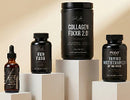
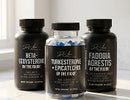
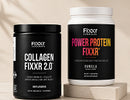
How Do Nutrients in Fixxr Formulas Essentials Collection Address Hormonal Imbalances?
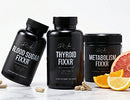
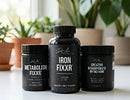
The Fixxr Formulas Essentials Collection provides a combination of nutrients intended to support hormonal regulation. For example, the formulation includes copper, which is implicated in hormone-related processes, alongside other vitamins and minerals that support menstrual health and general wellness. The product offers a balanced nutrient profile designed to assist maintenance of hormonal equilibrium.
How to Choose the Best Multivitamin With Iron for Women?
Selecting an appropriate iron-containing multivitamin requires assessment of several factors. Review ingredient quality and verify that the formulation supplies efficacious dosages of relevant nutrients. Confirm the absence of unnecessary fillers and artificial additives. Select products that address specific clinical needs such as hormonal support and maintenance of energy levels.
What Factors Determine the Appropriate Iron Dosage in Supplements?
Several factors influence the appropriate iron dosage in supplements, including:
-
Age and Health Status: Younger women and those with specific health conditions may require different dosages.
-
Dietary Intake Considerations: Women with diets low in iron-rich foods may need higher supplementation.
-
Consultation with Healthcare Providers: It's advisable to discuss iron needs with a healthcare professional to determine the right dosage.
Consideration of these factors supports selection of an iron dose that matches individual requirements.
How to Evaluate Multivitamin Formulations for Thyroid and Hormone Support?
When assessing multivitamin formulations for thyroid and hormonal support, apply objective criteria:
-
Essential Ingredients: Look for formulations that include iodine, selenium, and zinc, which are crucial for thyroid health.
-
Bioavailability: Ensure that the nutrients are in forms that the body can easily absorb and utilize.
-
Clinical Evidence: Research supporting the effectiveness of the ingredients can provide assurance of the product's efficacy.
Applying these criteria facilitates selection of multivitamins that provide relevant support for thyroid and hormonal function.
What Are the Safety and Dosage Guidelines for Iron-Containing Multivitamins?
Adherence to safety and dosage guidelines for iron-containing multivitamins is necessary to prevent adverse effects. Recommended daily iron requirements vary by age and life stage and increase during pregnancy and lactation. Compliance with established intake recommendations reduces the risk of iron overload, which can have serious health consequences.
What Are Recommended Daily Iron Intakes for Women?
Recommended daily iron intakes for women are as follows:
-
Ages 19-50: 18 mg
-
Ages 51 and older: 8 mg
-
Pregnant Women: 27 mg
-
Lactating Women: 9-10 mg
Achieving these recommended intakes is necessary to maintain physiological function and to prevent iron deficiency.
What Precautions Should Be Taken to Avoid Iron Overload?
To avoid iron overload, women should take the following precautions:
-
Monitor Symptoms: Be aware of symptoms such as nausea, abdominal pain, and fatigue, which may indicate excess iron.
-
Consult Healthcare Providers: Regular check-ups can help monitor iron levels and adjust supplementation as needed.
-
Limit Supplementation: Only take iron supplements as directed, especially if dietary intake is sufficient.
Observing these precautions supports safe and effective use of iron supplements.
How Can Dietary and Lifestyle Choices Enhance Iron Supplement Effectiveness?
Dietary and lifestyle factors substantially influence the effectiveness of iron supplementation. Consuming iron-rich foods and adopting practices that promote absorption will increase the benefit derived from supplemental iron.
Which Foods and Habits Improve Iron Absorption?
To improve iron absorption, consider the following foods and habits:
-
Pairing with Vitamin C: Consuming vitamin C-rich foods, such as citrus fruits, alongside iron sources can enhance absorption.
-
Avoiding Certain Foods: Limit intake of calcium-rich foods and beverages during iron supplementation, as they can inhibit absorption.
-
Timing of Meals: Taking iron supplements on an empty stomach can improve absorption rates.
Implementation of these measures can increase iron uptake and improve the effectiveness of supplementation.
Clinical guidance commonly recommends administering iron with food to reduce gastrointestinal adverse effects.
Practical Guide to Iron Deficiency Treatment in Women
Iron deficiency is common in women and its treatment is generally safe and effective; a trial of iron therapy may be considered where indicated. The practice of administering iron supplements with food to mitigate gastrointestinal side effects is often recommended.
Iron deficiency anemia in women: a practical guide to detection, diagnosis, and treatment, 2015
How Does Vitamin C Intake Influence Iron Metabolism?
Vitamin C facilitates iron metabolism by enhancing absorption of non‑heme iron from plant sources. It reduces ferric iron to the more readily absorbed ferrous form, thereby improving systemic iron availability. Vitamin C's antioxidant properties also help protect iron from oxidative loss. Ensuring adequate vitamin C intake in conjunction with iron supplementation supports improved iron status.
Research further supports the significant impact of vitamin C on absorption of non‑heme iron, which is relevant to prevention of anaemia in women.
Vitamin C Enhances Iron Absorption for Women's Health
Anaemia is associated with increased morbidity and mortality in women and children and can contribute to adverse birth outcomes, cognitive decline, and weakness among women of reproductive age. This study assessed enhanced absorption of non‑heme iron when consumed with vitamin C–rich foods and reported a marked increase in absorption under those conditions.
Enhancement of non-heme iron absorption from vegetable foods by using vitamin-C supplements in Wistar rats, S Ramachandran, 2024
For more information about our company, please contact us.
Frequently Asked Questions
What are the potential side effects of taking iron supplements?
Iron supplements can produce adverse effects in some individuals. Common reactions include gastrointestinal disturbances such as nausea, constipation, and abdominal discomfort. Excessive iron intake may lead to iron overload, which can cause organ damage in severe cases. Adhere to recommended dosages and consult a healthcare professional if adverse effects occur. Ongoing monitoring of response to supplementation is advised.
Can I get enough iron from my diet alone?
Many women meet iron requirements through a balanced diet that includes iron‑containing foods. Heme iron from animal sources (red meat, poultry, fish) has higher bioavailability than non‑heme iron from plant sources (beans, lentils, fortified cereals). Dietary restrictions, menstrual losses, and pregnancy increase iron requirements. If dietary intake is insufficient, seek professional evaluation for personalised guidance.
How long does it take to see results from iron supplementation?
Time to clinical improvement with iron supplementation varies by individual factors, including deficiency severity and supplement type. Symptomatic improvement, such as increased energy, may be observed within several weeks of consistent therapy. Repletion of iron stores typically requires months of treatment. Regular follow-up with a healthcare provider is recommended to assess response and adjust dosage.
Are there any interactions between iron supplements and medications?
Iron supplements can interact with certain medications and reduce their absorption or efficacy. Antacids, calcium supplements, and some antibiotics are examples of agents that may hinder iron absorption if taken concurrently. Disclose all medications and supplements to your healthcare provider to identify potential interactions and to determine optimal timing for iron administration.
What lifestyle changes can support iron absorption?
To support iron absorption, consume vitamin C‑rich foods (for example, citrus fruits and bell peppers) with iron sources and avoid calcium‑rich foods or beverages at the time of iron dosing. In some cases, taking iron on an empty stomach increases absorption, though tolerance should be considered. These adjustments can improve supplement efficacy when applied appropriately.
Is it safe to take iron supplements during pregnancy?
Iron supplementation is commonly recommended in pregnancy because maternal iron requirements increase to support fetal development and to reduce the risk of anaemia. Pregnant women generally require approximately 27 mg of iron daily. Consultation with a healthcare provider is essential prior to initiating supplementation to determine individual needs and to arrange appropriate monitoring.
Conclusion
Selection of a suitable multivitamin with iron can support energy levels, reduce the risk of anaemia, and assist hormonal regulation in women. Knowledge of iron's role and its complementary nutrients enables informed healthcare decisions. To identify products aligned with individual needs, consider reviewing available multivitamin options designed for women's nutritional requirements. To explore a wide range of health and wellness products, visit Better Life Doctor.