








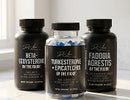
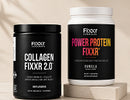


Selecting an appropriate multivitamin is important for women because nutritional requirements change with age. Each life stage has specific needs; understanding those needs enables selection of multivitamins that address age-related concerns for hormone balance and thyroid health. This article outlines the primary benefits of multivitamins for women in their 20s, 30s, and later life stages, and describes criteria for choosing age-specific formulations. It also describes how Fixxr Formulas products are positioned to address age-related nutrient shortfalls.
What Are the Essential Multivitamin Benefits for Women at Different Ages?
Multivitamins provide targeted nutrients that can address age-dependent changes in physiology and nutrient absorption. Age-specific formulations may reduce nutritional gaps, support energy metabolism, and contribute to hormonal equilibrium.
Evidence indicates that gender- and age-specific multivitamin formulations can improve nutritional adequacy in women as they age.
Age-Specific Multivitamins for Middle-Aged & Older Women
Use of gender- and age-specific multivitamins may improve nutritional adequacy in middle-aged to older women. Women aged ≥51 years reported similar patterns of multivitamin use, with approximately 30% using multivitamin formulations targeted to this population.
Multivitamins and nutritional adequacy in middle-aged to older Americans by obesity status, CL Frankenfeld, 2020
-
Support for Energy Levels: Multivitamins can enhance energy by providing essential nutrients that may be lacking in the diet.
-
Hormonal Balance: Certain vitamins and minerals play a crucial role in regulating hormones, which can fluctuate significantly during different life stages.
-
Bone Health: Vitamins like D and K, along with minerals such as calcium and magnesium, are vital for maintaining bone density, especially as women age.
Which Nutrients Support Energy and Nutrient Needs in Women’s 20s?
Women in their 20s often have elevated energy demands related to active lifestyles and career responsibilities. Key nutrients that support energy and overall health include:
-
Vitamin D: Crucial for bone health and immune function, helping to prevent deficiencies that can lead to fatigue.
-
Iron: Important for preventing anemia, especially for women who may experience heavy menstrual cycles.
-
B Vitamins: Essential for energy production and cognitive function, supporting mental clarity and focus.
These nutrients act together to support vitality and meet the higher metabolic demands common in this age group.
Additional studies underscore the role of specific micronutrients, such as iron, in women’s health and immune function during menstruation.
Micronutrients for Women's Health & PMS Relief
Several essential nutrients affect women’s health and immune function. For example, iron deficiency is common in menstruating women, and calcium supplementation significantly reduces premenstrual syndrome symptoms.
Micronutrients in women's health and immune function, 2001
How Do Multivitamins Address Hormone Balance and Metabolism in Women’s 30s?
In the 30s, hormonal variability may influence mood, energy, and metabolic rate. Multivitamins can address these changes by supplying relevant nutrients:
-
Thyroid Function Support: Nutrients like iodine and selenium are vital for maintaining healthy thyroid function, which regulates metabolism.
-
Hormonal Balance: Vitamins such as B6 and magnesium can help alleviate symptoms associated with hormonal changes during menstrual cycles.
-
Energy Regulation: A balanced intake of nutrients can help stabilize energy levels throughout the day.
Awareness of these effects supports informed selection of multivitamins that target hormonal and metabolic requirements.
How Do Thyroid Support Vitamins Enhance Women’s Health After 40?
After age 40, some women may experience reduced thyroid function, which can affect energy, weight management, and general health. Supplements intended to support thyroid function can contribute to symptom management during this stage.
What Is the Role of Thyroid Health in Weight Management and Hormone Regulation?
Thyroid function is integral to metabolic regulation and body weight maintenance. Thyroid hormone imbalances can result in weight gain or difficulty achieving weight loss. Symptoms associated with hypothyroidism, including fatigue and weight gain, may be reduced by ensuring adequate intake of nutrients that support thyroid health.
Additional research highlights the role of dietary supplements in supporting thyroid function and hormone regulation.
Dietary Supplements for Thyroid Health & Hormone Regulation
Thyroid hormones are central to metabolic regulation. The thyroid gland secretes tri-iodothyronine (T3) and tetra-iodothyronine (T4). Thyroid-stimulating hormone (TSH) and thyrotropin-releasing hormone regulate T3 and T4 levels. Elevated TSH indicates hypothyroidism; low TSH indicates hyperthyroidism. Iodine is essential for thyroid hormone synthesis and is primarily obtained from the diet. Other nutrients important for thyroid hormone formation include selenium, iron, vitamin D, and vitamin B12. Dietary alterations in these nutrients can change thyroid function and structure. Although hormonal diseases are not typically curable, suitable dietary supplements can improve signs and symptoms.
Role of dietary supplements in thyroid diseases, S Sharma, 2022
Which Age-Specific Supplements Optimize Thyroid Function in Women Over 40?
In women over 40, specific supplements may contribute to optimization of thyroid function:
-
Vitamin D: Supports immune health and may enhance thyroid function.
-
Iodine: Essential for hormone synthesis and overall thyroid health.
-
Magnesium: Plays a role in hormone conversion and can help alleviate symptoms of thyroid dysfunction.
These supplements may assist women in maintaining energy levels and hormonal balance as they age.
How Can Women Select Age-Specific Multivitamins for Hormone Balance and Thyroid Support?
Selecting appropriate multivitamins requires assessment of individual health needs and age-specific requirements. Consider the following criteria:
What Criteria Should Guide the Choice of Multivitamins by Age Group?
-
Age-Specific Needs: Look for formulations that cater to the specific nutritional requirements of your age group.
-
Ingredient Transparency: Ensure that the product lists all ingredients and their sources, allowing for informed choices.
-
Consultation with Healthcare Professionals: Always consider discussing with a healthcare provider to tailor supplementation to personal health needs.
How Do Fixxr Formulas Supplements Address Age-Related Nutrient Deficiencies?
Fixxr Formulas provides targeted multivitamin formulations intended to address nutrient shortfalls associated with specific life stages. Their products include nutrients selected to support hormone balance and thyroid function, and product information details ingredient composition and intended use to support informed decision making.
What Are Common Nutrient Deficiencies in Women by Age and Their Health Implications?
Recognition of common nutrient deficiencies enables informed decisions regarding supplementation and risk mitigation.
Which Vitamins and Minerals Are Most Deficient in Women’s 20s, 30s, and 40s?
-
Vitamin D: Often deficient in women of all ages, impacting bone health and immune function.
-
Iron: Commonly deficient in younger women, particularly those with heavy menstrual cycles.
-
Magnesium: Frequently lacking in the diets of women over 40, affecting energy levels and hormonal balance.
These deficiencies are associated with specific health risks and underscore the role of targeted supplementation where indicated. For personalized guidance and support, use the Contact Us page.
How Do Deficiencies Affect Hormone Balance and Thyroid Function?
Nutrient deficiencies can materially affect hormone balance and thyroid function. For example:
-
Iodine: A deficiency can lead to decreased thyroid hormone production, affecting metabolism.
-
Iron: Low levels can result in fatigue and decreased energy, impacting overall well-being.
-
Vitamin D: Insufficient levels can disrupt hormonal balance, leading to mood swings and other health issues.
Addressing these deficiencies through appropriate supplementation is important for maintaining physiological function and overall health.
How Do Multivitamins Support Hormone Health and Energy Levels in Women?
Multivitamins supply essential nutrients that support hormonal processes and energy metabolism, particularly during periods of hormonal fluctuation.
What Is the Connection Between Multivitamins and Hormone Regulation?
Multivitamins supply nutrients that contribute to hormone regulation, including:
-
B Vitamins: Aid in the metabolism of hormones and neurotransmitters, promoting emotional well-being.
-
Vitamin D: Influences the production of hormones related to mood and energy.
-
Magnesium: Helps regulate cortisol levels, which can affect stress and energy.
These associations demonstrate the role of comprehensive nutrient intake in maintaining hormonal balance.
Which Supplements Are Effective for Combating Low Energy in Women?
-
B Vitamins: Essential for energy production and reducing fatigue.
-
Iron: Important for maintaining energy levels, especially in women with heavy menstrual cycles.
-
Adaptogens: Natural substances that help the body adapt to stress and enhance energy.
Incorporation of these supplements, where appropriate, may support sustained energy and overall health.
|
Nutrient |
Role in Women's Health |
Age Group |
Recommended Source |
|
Vitamin D |
Supports bone health and immune function |
All ages |
Sunlight, fortified foods |
|
Iron |
Prevents anemia and boosts energy |
20s |
Red meat, leafy greens |
|
Magnesium |
Regulates hormones and energy levels |
40s+ |
Nuts, whole grains |
A selection of Essentials is available to support specific nutrient requirements.
Frequently Asked Questions
What should women consider when choosing a multivitamin?
When choosing a multivitamin, evaluate age-specific nutritional requirements, lifestyle factors, and existing medical conditions. Select formulations that provide key vitamins and minerals for the relevant life stage, such as iron for younger women or magnesium for those over 40. Confirm ingredient transparency and consult a healthcare professional to obtain personalized recommendations based on medical history and dietary intake.
How can multivitamins help with mood swings in women?
Multivitamins can contribute to stabilization of mood during hormonal fluctuations. Nutrients such as B vitamins, magnesium, and vitamin D support neurotransmitter synthesis and hormonal balance. For example, B vitamins participate in the metabolism of mood-regulating hormones, and magnesium may reduce stress-related symptoms. Adequate intake of these nutrients can reduce mood-related disturbances in susceptible individuals.
Are there any side effects associated with taking multivitamins?
Multivitamins are generally safe for most women; however, adverse effects can occur, particularly with excessive intake. Reported effects include gastrointestinal discomfort, nausea, and headaches. Follow recommended dosages and consult a healthcare provider if adverse reactions occur. Consider potential interactions with medications or other supplements, since certain vitamins and minerals can influence absorption or efficacy of prescribed treatments.
How do lifestyle factors influence the need for multivitamins?
Lifestyle factors—diet, physical activity, stress levels, and overall health—affect multivitamin requirements. Restrictive diets may produce nutrient deficits that necessitate supplementation. Elevated stress can deplete particular vitamins, increasing demand for nutrients that support energy and mood. Regular exercise may increase requirements for recovery and energy support. Assess lifestyle variables when determining appropriate supplementation.
Can multivitamins replace a healthy diet?
Multivitamins are intended to supplement, not replace, a healthy diet. They address nutrient shortfalls but do not provide the full spectrum of benefits offered by whole foods, such as fiber, antioxidants, and phytonutrients. A balanced diet rich in fruits, vegetables, whole grains, and lean proteins remains essential. Use multivitamins as a complementary measure for individuals with specific deficiencies or elevated needs.
What are the signs of nutrient deficiencies in women?
Signs of nutrient deficiencies vary but commonly include fatigue, weakness, mood changes, and alterations in skin or hair condition. For example, iron deficiency may cause anemia with associated fatigue and weakness, while vitamin D deficiency may produce bone pain and immune dysfunction. Consult a healthcare provider for diagnostic testing if deficiencies are suspected. Regular monitoring supports appropriate supplementation.
Conclusion
Selecting an appropriate multivitamin is important to support women’s health across life stages, particularly with respect to hormone balance and thyroid function. Identifying the specific nutrients required at each stage can improve overall well-being and energy. Fixxr Formulas provides targeted multivitamin options that are formulated to address age-related nutrient shortfalls. Review product details to determine suitability for individual health needs. For additional information, visit the Better Life Doctor website.